
A regional platform for future-ready talent.
The East African Employability Summit (EAES) is a premier regional platform that brings together leaders across education, industry, government, development partners and youth to strengthen collaboration and drive solutions for youth employability and skills mobility in East Africa.
Since its inaugural edition, EAES has grown into a trusted convening space where Cabinet Secretaries, vice-chancellors, private-sector leaders, development partners and youth innovators share a single agenda: closing the gap between education and the world of work. EAES26 builds on previous summits by deepening partnerships and turning dialogue into concrete commitments for young people.

From dialogue
to measurable impact.
To consolidate the gains and track the impact of the inaugural and second summits, while advancing innovative, inclusive and sustainable approaches to youth employability across East Africa.
Our mission
Consolidate the outcomes of past summits, track their impact and scale what works for young people across the region.
Read the concept noteRegional Collaboration
Aligning governments, institutions and employers across the EAC around a shared employability agenda.
Skills Mobility
Recognising skills across borders so talent can move freely to where opportunity is.
Youth Empowerment
Putting young people at the centre — as leaders, innovators, entrepreneurs and job creators.
Sustainable Development
Linking skills to green, digital and resilient economies that create decent work.
Inclusive Growth
Opening pathways for women, persons with disabilities and under-served communities.
Championing employability
at the highest level.
EAES26 is convened in close partnership with government ministries, county leadership and public institutions across East Africa — so that policy dialogue translates into real, lasting opportunities.
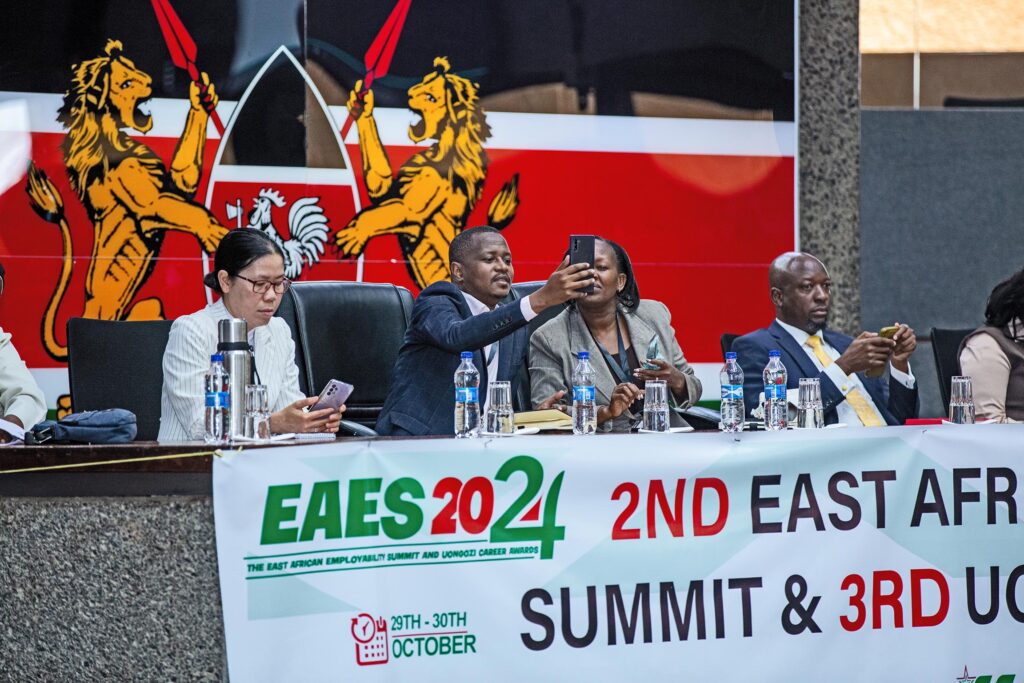
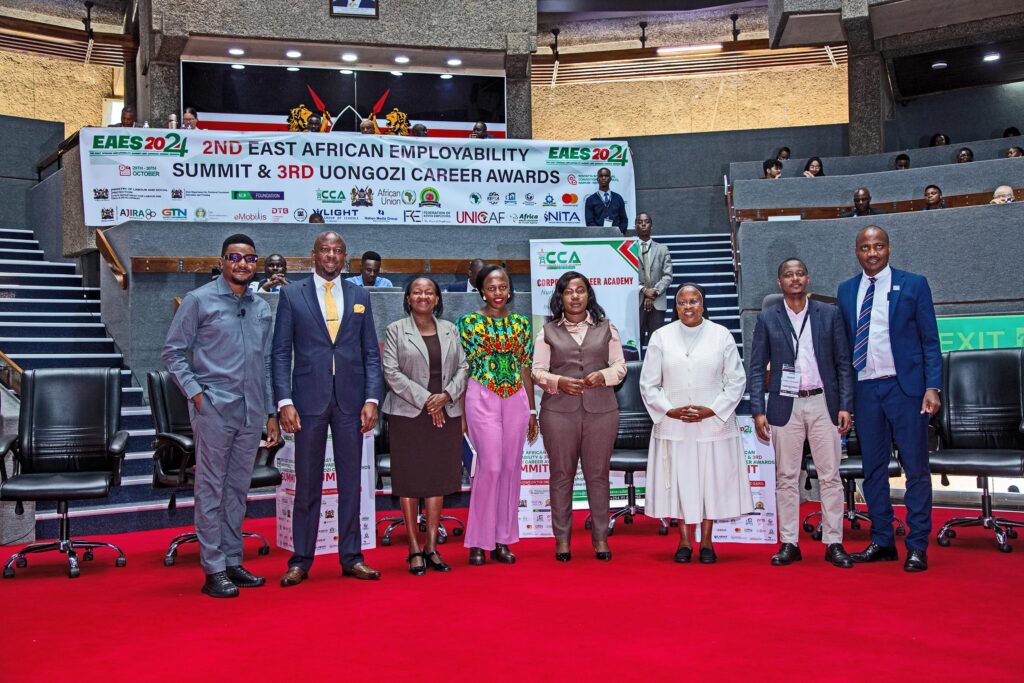
National Policy Dialogue
Cabinet Secretaries, Principal Secretaries and county leaders join industry and academia to align employability policy with evolving labour-market needs.
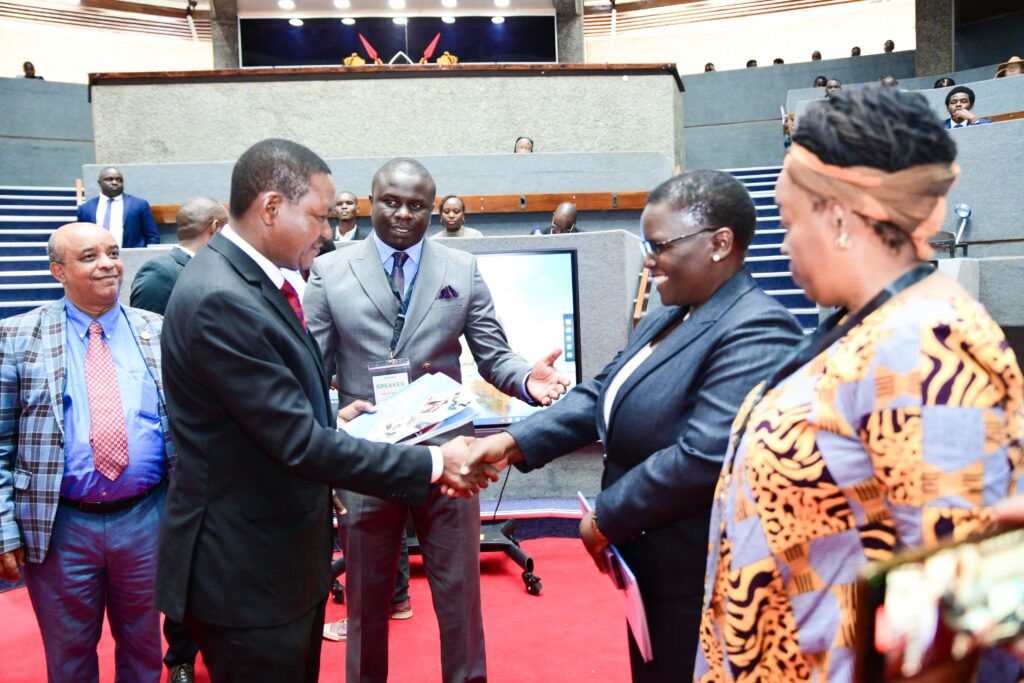
Ministerial & County Engagement
Senior government representatives engage directly with delegates, reinforcing the public sector’s role in skills and job creation.
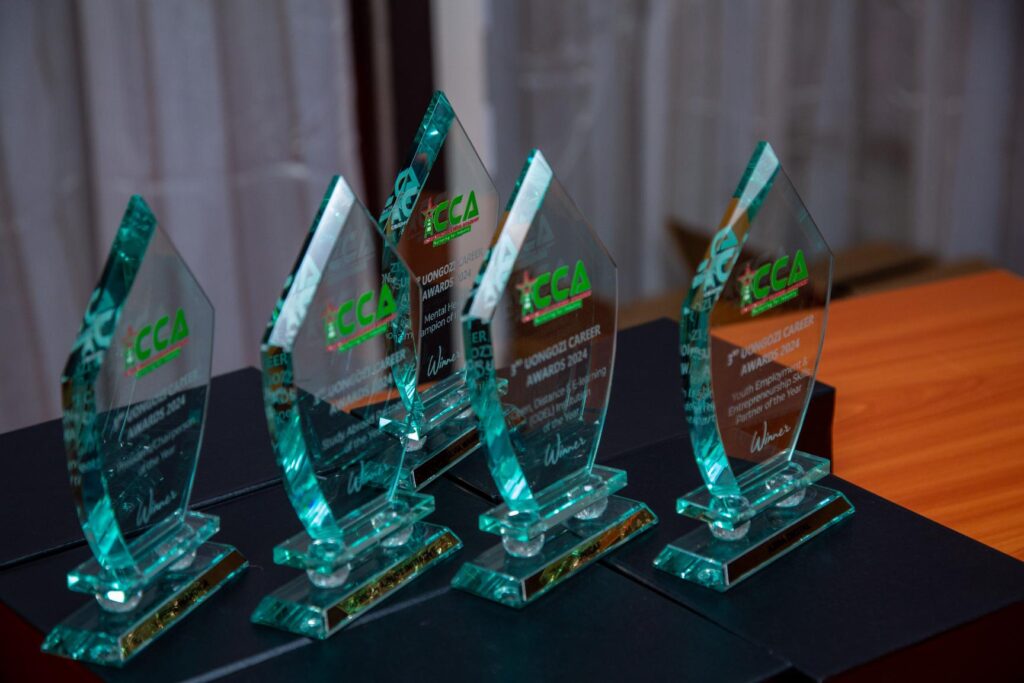
Public Recognition & Advocacy
Leaders champion the Uongozi Career Awards, spotlighting people and institutions driving employability across East Africa.
Three editions,
one growing movement.
Each summit builds on the last — from the first regional dialogue to a fully fledged platform for policy, partnerships and recognition.
EAES23 · Inaugural Summit
The first East African Employability Summit set the regional agenda on youth employability, skills and education-to-work transitions.
Download the reportEAES24 · 2nd Summit
The 2nd summit and 3rd Uongozi Career Awards deepened commitments from government, academia and industry partners.
Download the reportEAES26 · Skills without Borders
11–12 November 2026 at KICC, Nairobi: accelerating integration through skills and labour mobility in East Africa.
Secure your seatWhat guides everything we do.
Integrity
Transparent, accountable and evidence-led.
Inclusion
Every young person deserves a pathway.
Innovation
New ideas for a fast-changing world of work.
Collaboration
Stronger together across sectors and borders.
Excellence
Recognising and raising the bar for impact.